Imagine the scenario – you’ve had a bad day/week/month. You have bills to pay, every time you step outside it’s raining and the children’s behaviour is pushing all your buttons!
You know you haven’t made time to fill your jug and the last thing you feel is positive, so when is the best time to tell your child you love them?
Arguably, it’s all the time (as you always love them – even if you don’t always love what they do or say) but children really need to hear ‘I love you’ when they are feeling that they don’t count – or that they, or their opinion, is not valued.
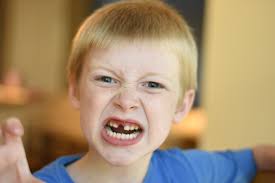
How do you know they are feeling this way?
Often it is because they have said or done something that has hurt your feelings.
Using Austrian Psychotherapist, Alfred Adler’s revenge seeking behaviour theory and American Psychologists, Betty-Lou Bettner and Amy Lew’s ‘Crucial C’s’ model, when you feel hurt by your child’s actions or words it is important that they feel that they count and need to believe they can make a difference.
You can help them with this by telling them you love them, that they are important to you and the family and by actively listening, you can empower them to feel loved, confident and move forward with a healthy self-esteem.

Suggest doing something together like baking, playing a game or going for a walk and you might find out what is making them feel undervalued (it isn’t always you!)
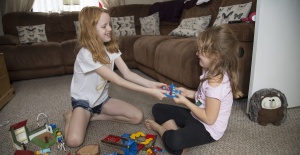
A classic time is when a new sibling is introduced to the family or if they have had a disagreement with a friendship group. Once they feel comfortable to share with you, you can support and encourage them to work through it.
So, the next time your child says ‘I hate you’ follow it up with, ‘I love you’. Or ‘I don’t like what you are saying or doing but I love you very much and I am here for you. You sound angry, tell me something about that’ and break the negative cycle.